From the perspective of a Port Macquarie electrician
If you live in Port Macquarie and your power keeps cutting out, there’s a good chance your RCD is doing exactly what it’s designed to do—protecting you.
As a local electrician working across Lighthouse Beach, Lake Cathie, Thrumster and the Hastings region, I get plenty of callouts for “power keeps tripping” faults. Nine times out of ten, it’s an RCD (Residual Current Device) detecting a problem and switching off the circuit to prevent electric shock.
The key question is: why is it tripping? Let’s break down how to safely fault find a tripping RCD and when it’s time to call in a licensed electrician.
What Is an RCD and Why Does It Trip?
An RCD constantly monitors the electrical current flowing through a circuit. If it detects even a small imbalance—typically 30 milliamps or more—it trips almost instantly. That imbalance usually means electricity is leaking somewhere it shouldn’t be. Potentially through a faulty appliance… or worse, through a person.
In Australia, RCDs are mandatory on power and lighting circuits in new and upgraded installations. They save lives. But when they trip repeatedly, it can be frustrating.
Common causes include:
- Faulty appliances
- Water ingress (common in coastal Port Macquarie homes)
- Damaged cables
- Failing hot water systems
- Outdoor power points
- Lighting faults
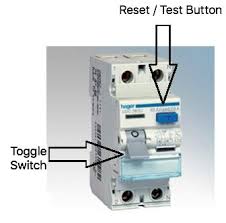
Step 1: Identify What’s Tripping
Go to your switchboard and check which device has tripped.
You’ll usually see either:
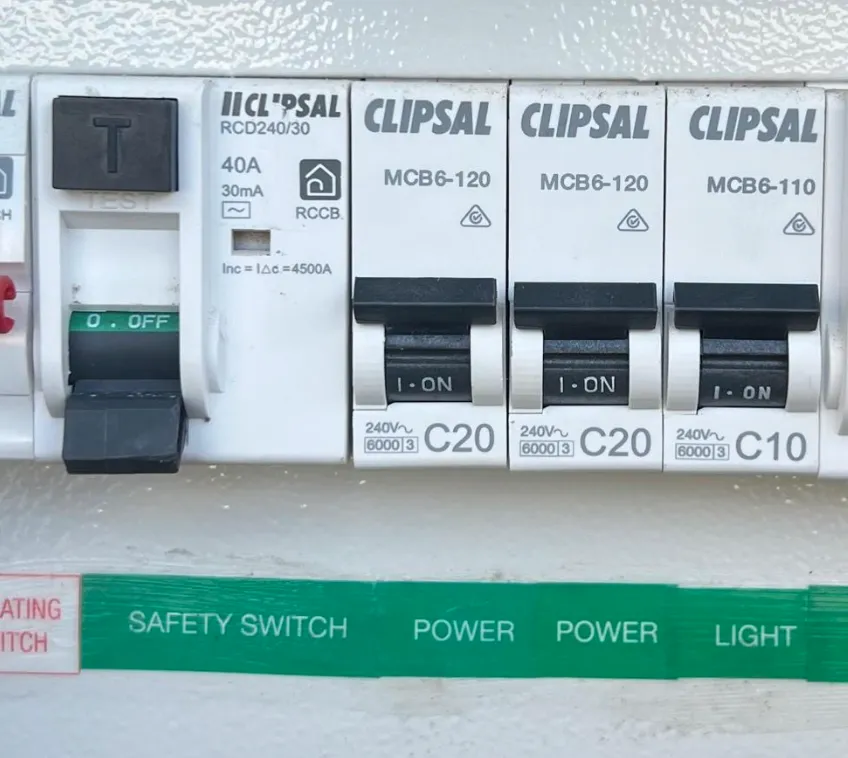
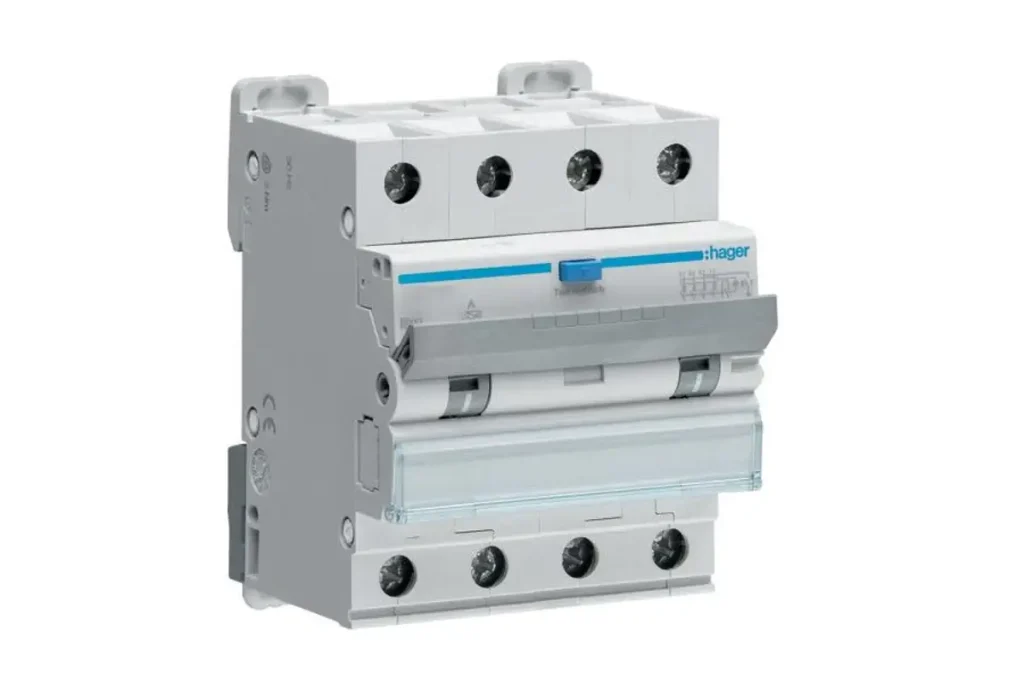
- An individual RCD switch
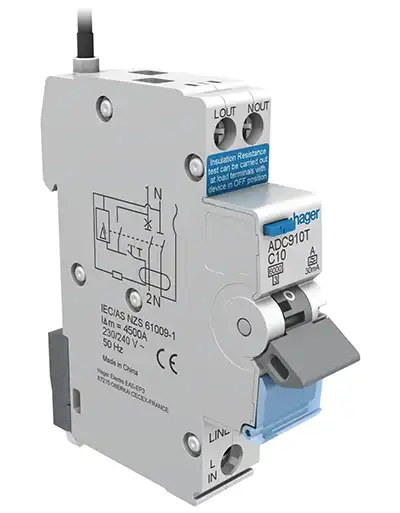
- An RCBO (combined circuit breaker and RCD)
- A main safety switch protecting multiple circuits
If only one circuit has tripped, that’s good news—it narrows the fault down.
If the main RCD has tripped and multiple circuits are affected, it may require a more detailed isolation process.
Step 2: Unplug Everything on the Affected Circuit
This is the safest first step for homeowners.
- Switch the tripped RCD fully OFF.
- Unplug every appliance on that circuit.
- Switch the RCD back ON.
If it stays on, the problem is likely one of the appliances you unplugged.
Now plug items back in one at a time, waiting 10–15 seconds between each. When the RCD trips again, you’ve likely found the culprit.
In Port Macquarie homes, I commonly find faults in:
- Old fridges in garages
- Pool pumps exposed to moisture
- Outdoor power tools
- Extension leads left in the rain
- Hot water systems
Step 3: If It Trips With Everything Unplugged
If the RCD still trips with everything unplugged, the fault is likely:
- In fixed wiring
- In a light fitting
- In an outdoor GPO
- In a hardwired appliance (like an oven or air conditioner)
At this point, it’s no longer a DIY investigation. Electrical faults inside walls or ceilings require proper testing equipment.
Step 4: Check for Moisture Issues (Common Locally)
Being a coastal town, Port Macquarie properties often deal with moisture-related faults.
Salt air corrosion and water ingress are frequent causes of RCD tripping, especially in:
- Outdoor power points
- Garden lighting
- Pool equipment
- Under-house subfloors
After heavy rain, I often get calls where the RCD trips every time someone turns on outside lighting. Water inside fittings creates leakage current, which the RCD correctly detects.
If the issue only happens during or after rain, moisture is highly suspect.
Step 5: Hot Water Systems – A Frequent Offender
One of the most common causes of nuisance tripping I see is a failing hot water element.
As the element deteriorates, insulation breaks down and current leaks to earth. The RCD senses this and trips.
If your RCD:
- Trips mostly at night
- Trips randomly even with minimal appliance use
- Won’t stay on when the hot water circuit is active
It’s worth having the system tested.
Step 6: Lighting Circuits Can Be Tricky
Lighting faults can be harder to diagnose because fittings are hardwired.
Common causes include:
- Water in outdoor downlights
- Rodent damage in ceilings
- Failing LED drivers
- DIY wiring alterations
I’ve seen plenty of ceiling spaces around Lake Innes and Thrumster where rodents have chewed through cable insulation, causing intermittent earth leakage. These faults can be frustrating because they don’t always trip immediately.
Why You Shouldn’t Bypass an RCD
Occasionally, someone will say, “Can we just replace it with a normal breaker?” The answer is simple: absolutely not.
An RCD is there to protect against electric shock. Removing it puts you and your family at serious risk and breaches Australian standards.
If an RCD is tripping, it’s telling you something is wrong. The solution is to fix the fault—not eliminate the protection.
How Electricians Properly Fault Find
When I attend a tripping RCD callout in Port Macquarie, the process usually involves:
- Insulation resistance testing (megger testing)
- Earth leakage clamp meter testing
- Circuit isolation
- Appliance testing
- Visual inspection of fittings and terminations
These tools allow us to pinpoint exactly where current is leaking.
Often, the issue can be resolved quickly. Other times, particularly in older homes, wiring upgrades may be required.
When to Call an Electrician
Call a licensed electrician if:
- The RCD won’t reset even with everything unplugged
- It trips immediately every time
- You smell burning
- You see damaged wiring
- The switchboard feels warm
- The problem keeps returning
Repeated tripping is not something to ignore.
Preventing Future RCD Trips
Here are a few preventative tips I give clients:
- Replace damaged extension leads
- Keep outdoor outlets weatherproof and covered
- Service pool equipment regularly
- Upgrade old switchboards
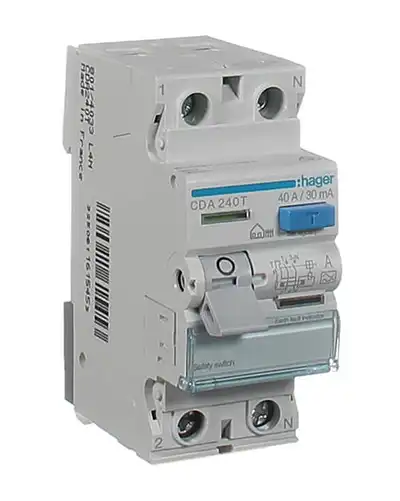
- Test your RCD every 3 months (press the “T” button)
Regular maintenance goes a long way.
Final Thoughts From a Local Sparky
RCDs save lives. If yours is tripping, it’s not being annoying—it’s protecting you.
Living in a coastal environment like Port Macquarie means moisture, corrosion, and ageing electrical systems can all contribute to earth leakage faults. The key is identifying the source safely and properly.
If you’re unsure, don’t guess. Electrical fault finding requires proper equipment and experience.
As a Port Macquarie electrician, I’d much rather attend a callout early and fix a minor issue than see it turn into a major fault—or worse, a safety incident.
If your RCD keeps tripping and you can’t isolate the problem, it’s time to get it checked properly.
Stay safe—and don’t ignore what your switchboard is trying to tell you.
We’re fault finding experts! Call Port Sparky today

Call your Port Macquarie electrician now: 0416 501 728 or email: sparky@portsparky.com.au

