If you run a business in Port Macquarie — whether it’s a café on Clarence Street, a trades yard out at Wauchope Road, or an office overlooking the Hastings River — chances are someone has mentioned “test and tag” to you at some point. Maybe it was your insurer, maybe it was a WHS auditor, or maybe it was us on a job. Either way, it’s one of those requirements that gets brushed aside until something goes wrong. So let’s break down exactly what it is, why it matters, and what it means for your business here on the Mid North Coast.
What Is Test and Tag?
Test and tag is the process of inspecting and testing portable electrical equipment — think power boards, extension leads, kettles, power tools, computers, and anything else that plugs into a wall — to make sure it’s safe to use.
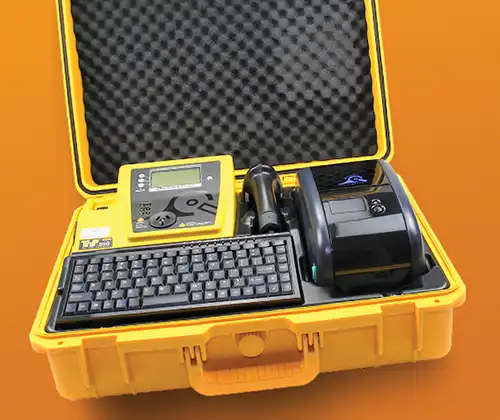
The process has two parts:
- Visual inspection — checking the plug, cord, and casing for damage, exposed wiring, or wear and tear.
- Electrical testing — using a Portable Appliance Tester (PAT) to check insulation resistance and earth continuity, confirming the appliance is safe electrically, not just on the surface.
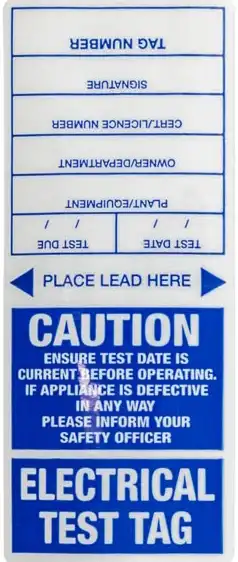
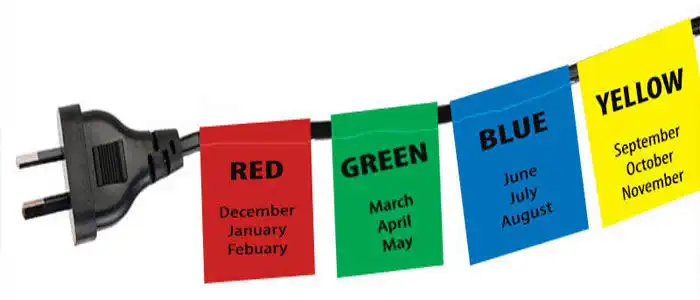
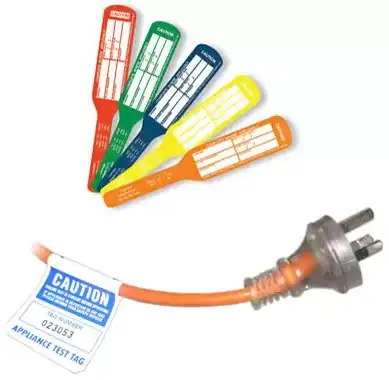
Once an item passes, it gets a tag showing the test date, the next due date, and who carried out the test. If it fails, it’s taken out of service immediately and either repaired or replaced.
Why It’s Required
Test and tag isn’t just a box-ticking exercise — it’s grounded in real safety standards. In Australia, the process follows AS/NZS 3760, the standard for in-service safety inspection and testing of electrical equipment. Depending on your industry and the type of work environment, testing may be mandated under state WHS regulations, particularly in higher-risk settings like construction sites, factories, and commercial kitchens.
Here’s why it genuinely matters, beyond compliance:
- Electrical faults don’t always show up visually. A cord can look perfectly fine while the insulation inside has degraded, creating a shock or fire risk.
- Older equipment accumulates wear. Extension leads and power boards get bent, stepped on, and dragged around — especially in trade and hospitality settings — far more than people realise.
- Insurance and liability. Many commercial insurance policies expect a business to demonstrate reasonable safety practices. If an electrical fire or shock incident occurs and there’s no record of testing, it can complicate a claim.
- WHS obligations. As a business owner, you have a duty of care to staff, contractors, and customers. Test and tag is a simple, low-cost way to show you’re meeting that obligation.
Who Actually Needs It?
There’s a common myth that test and tag is only for construction sites — not true. While building sites and factories are required to test more frequently (often every 3 months due to the higher risk environment), plenty of other Port Macquarie businesses need it too, including:
- Cafés, restaurants, and pubs
- Retail stores
- Medical and allied health practices
- Offices and co-working spaces
- Schools, childcare centres, and community halls
- Rental properties with supplied appliances
Testing frequency depends on the environment. A commercial kitchen with heavy daily use of appliances will need more frequent checks than a quiet office where a laptop charger barely moves.
What Happens During a Visit
When we come out to test and tag your equipment, we work through the site systematically — testing everything from your microwave in the staff kitchen to the power tools in your work van. We tag each item with the date and testing details, flag anything that’s failed, and provide you with a full compliance report at the end. That report is worth keeping on file; it’s exactly what you’d want to hand over in the event of a WHS audit or insurance query.
We try to schedule these visits around your operating hours so there’s minimal disruption — early mornings before opening, or after-hours for busy retail and hospitality spots along Horton Street and the CBD.
A Simple Habit That Prevents Big Problems
At the end of the day, test and tag isn’t about ticking a legal box — it’s about catching small problems before they become expensive or dangerous ones. A frayed cord on a kettle might seem trivial, but it’s exactly the kind of thing that causes house fires and workplace injuries every year.
If you’re not sure whether your business needs testing, how often, or when your equipment was last checked, get in touch. We service businesses right across Port Macquarie and the surrounding Hastings region, and we’re happy to have a chat about what your specific setup requires — no obligation, just straightforward advice from a local sparky.
Need your workplace tested and tagged? Give us a call and we’ll get you booked in.